

The Role of Nutrition in Hearing Care
Sound perception is more than a physical mechanism; it is a biological process fueled by the micronutrients available to your body.
Attention to Hearing Health via Diet
In the context of modern lifestyles, we often overlook how the environment impacts our sensory organs. While we protect our skin from the sun and our eyes from screens, the auditory system requires internal defenses.
The role of nutrition in hearing care focuses on delivering the high-energy flow required by the delicate cells of the inner ear. These cells rely on consistent circulation and antioxidant protection to maintain peak sound perception quality.
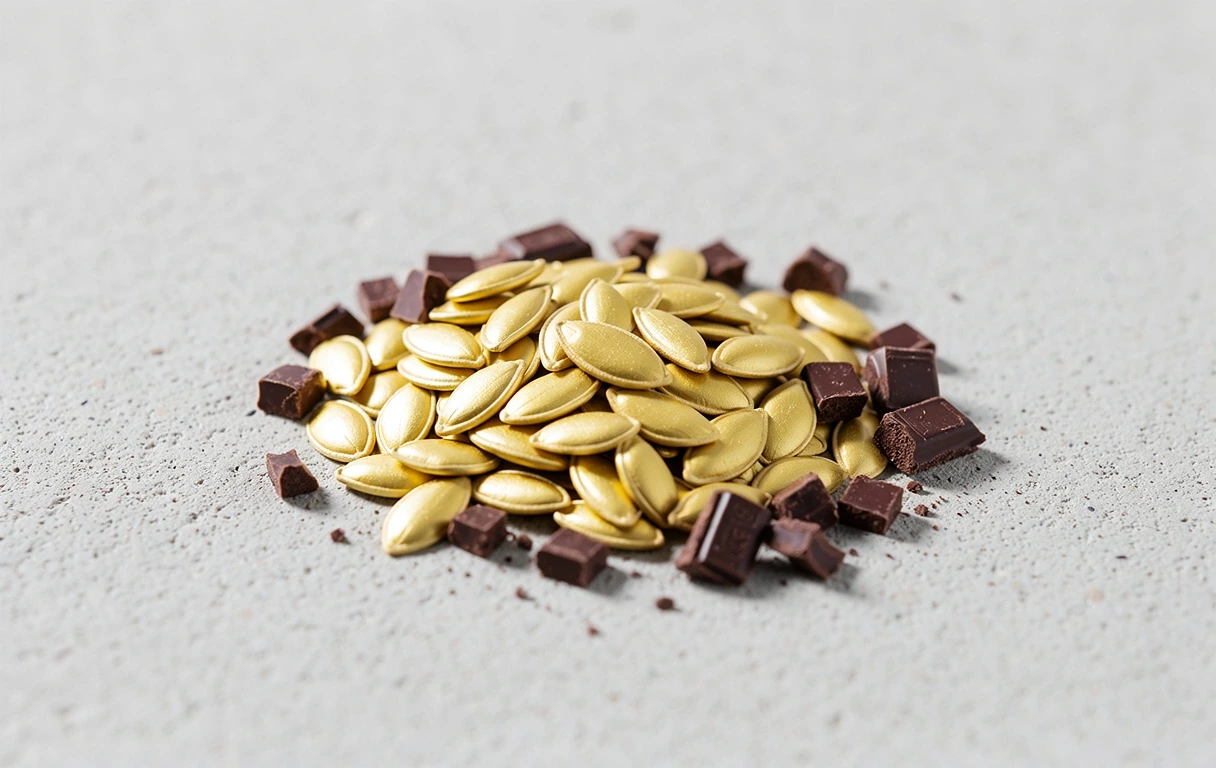
Caring for your hearing
Daily auditory habits start with what is on your plate. Healthy habits for hearing include prioritizing vibrant, unprocessed whole foods that support vascular integrity.
Factors affecting hearing
Oxidative stress and low circulation are primary factors. Strategic nutrient intake helps maintain comfortable sound perception even in noisy environments.
Essential Compounds
Folic Acid & Folate
Crucial for maintaining optimal homocysteine levels, which supports clear circulation to the auditory sensors. Found in asparagus, spinach, and broccoli.
- Vascular Support
- Cellular Energy
Magnesium Defense
Acts as a protective barrier against the impact of noise on hearing. It helps regulate the nerve impulses that transmit sound to the brain.
- Noise Buffering
- Nerve Stability
Zinc Resilience
Heavily concentrated in the inner ear, zinc supports the body’s natural immune response and cellular repair mechanisms for hearing hygiene.
- Immune Vigor
- Ear Resilience

Hearing in Everyday Life
The environment we inhabit is increasingly saturated with artificial sound. Proper nutrition provides the biological hardware needed to process these signals without undue fatigue.
Daily Habits Guide
Lifestyle and Hearing:
The Modern Balance
Quality of sound perception is often linked to vascular health. When we discuss prevention of hearing discomfort, we must look at how glucose levels and blood flow affect the micro-vessels in the auditory canal.
Our modern world demands much from our senses. By adopting a nutrition-first approach, we ensure that the auditory system remains resilient against the constant pressure of urban noise and chemical stressors.
Recommended Support Matrix
| Nutrient Range | Primary Sources | Targeted Benefit |
|---|---|---|
| Potassium | Bananas, Potatoes, Melons | Regulates fluid in the inner ear for balanced sound perception. |
| Omega-3 Fatty Acids | Salmon, Flaxseeds, Chia | Supports the strength of blood vessels leading to the auditory system. |
| Vitamin D | Fortified Foods, Sun Exposure | Integral to the health of the tiny bones (ossicles) within the ear. |
| Vitamin B12 | Eggs, Lean Proteins, Dairy | Assists in creating healthy red blood cells for auditory metabolic support. |
Integrate Hearing Care into Your Lifestyle
Small, consistent changes in your nutrition and daily habits for hearing care can lead to a significant difference in how you experience the world.
Location
Calle del Carmen 15
48003 Bilbao, Spain
Direct
+34 944 502 761
[email protected]